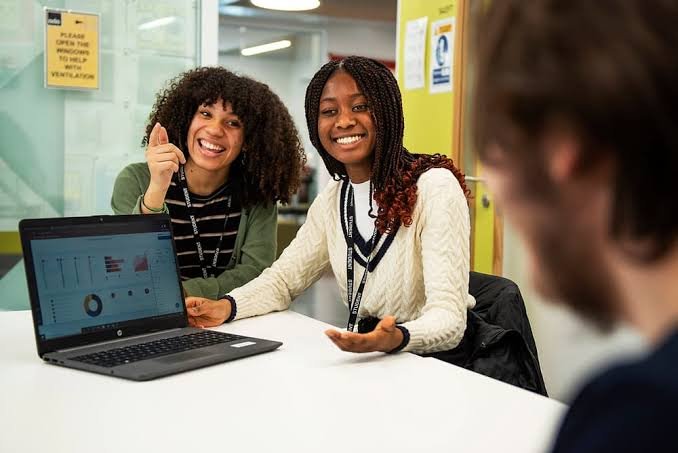

As high school graduation approaches, many students find themselves laser-focused on one thing: their entrance exam scores. While acing these tests is undoubtedly important, it’s just one piece of the puzzle when it comes to thriving in university and beyond. The world of higher education demands more than just academic prowess; it requires a versatile skill set that can adapt to various challenges and opportunities.
Think about it university life is not solely about lectures and textbooks. It’s a blend of experiences where critical thinking, effective communication, and digital literacy play major roles. As you prepare for this next chapter in your life, consider what skills could elevate your educational journey from average to extraordinary.
Whether you’re headed into the sciences or diving into the arts, there are essential career skills for students that can pave the way for success. Let’s explore how investing time in developing these skills before starting college can make all the difference in navigating both academics and social dynamics effectively.
Why Your Entrance Exam Score Isn’t the Only Thing That Matters
While a high score on your entrance exam might open doors, it doesn’t guarantee success once you step onto campus. University is a multifaceted environment that tests more than just raw academic ability.
Employers today seek well-rounded individuals who can think critically and collaborate effectively. Your exam results may show potential, but they don’t reveal how you’ll handle group projects or navigate complex ideas in real time.
Moreover, personal growth plays a crucial role during these formative years. Skills like resilience, adaptability, and emotional intelligence become essential as you face the ups and downs of university life.
Networking opportunities arise outside the classroom too building connections often hinges on interpersonal skills rather than test scores alone. So while those numbers matter, remember that true success stems from an array of competencies cultivated throughout your educational journey.
Academic Skills That Can Make University Easier
Mastering academic skills before stepping into university can significantly ease the transition. Time management is crucial; juggling assignments, projects, and personal commitments becomes manageable with a solid plan.
Another essential skill is effective note-taking. Developing your own style allows you to capture vital information during lectures efficiently. Whether through digital tools or traditional methods, find what works best for you.
Reading comprehension also plays a key role in academic success. The ability to analyze texts critically helps in understanding complex materials faster.
Research skills cannot be overlooked either. Knowing how to locate credible sources and synthesize information will set you apart from peers who might struggle in this area.
Familiarity with academic writing standards prepares students for essays and reports they’ll encounter across various subjects throughout their degree journey.

Critical Thinking and Problem Solving
Critical thinking and problem-solving are essential skills that go beyond memorizing facts. They require students to analyze information, question assumptions, and think creatively.
In university, you’ll often face complex challenges that demand innovative solutions. Whether it’s a group project or a tough exam question, being able to dissect problems will set you apart.
Engaging with different perspectives can enhance these skills too. Discussions in class or study groups provide opportunities for debate and idea exchange. This interaction fuels deeper understanding.
Practicing real-world scenarios through case studies or simulations helps bridge theory with practice. You learn how to approach problems methodically while considering various outcomes.
Don’t underestimate the value of curiosity. Asking “why” encourages exploration and helps develop a more analytical mindset an invaluable asset as you navigate your academic journey and future career paths.

Interpersonal Communication Skills
Interpersonal communication skills are vital for students stepping into university life. These abilities shape how you interact with peers, professors, and potential employers.
Strong interpersonal skills foster collaboration. Group projects will be a constant in your academic journey. Being able to express ideas clearly and listen actively makes those situations smoother.
Emotional intelligence is another key element. Understanding others’ feelings enhances relationships, whether forming study groups or participating in campus events.
Networking also plays an essential role in career development. Building professional connections can lead to internships or job opportunities after graduation.
Practicing these skills early can ease the transition into university culture, making interactions more meaningful and effective. Whether through clubs, workshops, or simply engaging in conversations on campus there’s ample opportunity to develop this skill set before classes even begin.

Learn the Basics of Data and Digital Literacy
In today’s digital age, understanding data isn’t just a bonus; it’s essential. Students need to grasp the fundamentals of data literacy to navigate university life effectively.
This skill involves interpreting and analyzing information critically. It helps in research assignments, presentations, and even everyday decision-making. Knowing how to sift through data can set you apart from peers who lack this knowledge.
Digital literacy goes hand-in-hand with data skills. Familiarity with various software tools boosts efficiency in managing academic tasks. From spreadsheets for projects to presentation software for showcasing ideas, these tools are invaluable.
Moreover, being digitally literate opens doors to online resources that enhance learning experiences. This proficiency allows students to access a wealth of information beyond textbooks.
Embracing both data and digital literacy equips students with a competitive edge as they transition into higher education environments where these skills are increasingly demanded.
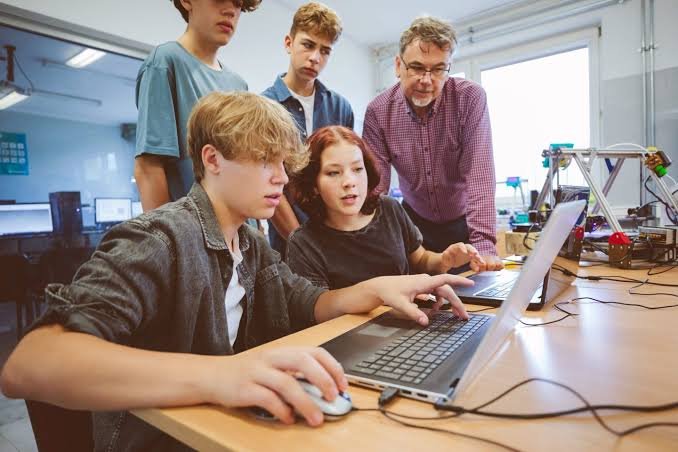
Should Students Learn Coding Before University?
The digital age is upon us, making coding an essential skill for students. While not every degree requires programming, understanding the basics can set you apart in any field.
Many industries rely on technology and data management. A solid foundation in coding enhances problem-solving abilities and logical thinking. These skills are invaluable, regardless of your career path.
Additionally, learning to code can foster creativity. It allows students to create projects that showcase their interests or address real-world issues. This hands-on experience is often more engaging than traditional classroom learning.
Furthermore, coding promotes resilience through trial and error. Students develop persistence as they troubleshoot errors and work towards solutions.
Whether you’re pursuing engineering or art history, a basic grasp of coding could open doors to innovative opportunities throughout your academic journey and beyond.
AI Skills Students Can Start Learning Before College
AI is reshaping industries and creating new opportunities. Students should be proactive in learning AI skills before stepping into college.
Start with the basics of machine learning. Understanding algorithms can give students a solid foundation for future studies. Online platforms offer beginner-friendly courses that make complex concepts approachable.
Natural language processing (NLP) is another fascinating area. It’s about teaching machines to understand human language, which is becoming increasingly important in many fields.
Familiarity with tools like TensorFlow or PyTorch can also be beneficial. These frameworks help develop AI models and are widely used in the industry.
Encouraging curiosity around data ethics will prepare students for responsible AI development. Knowing how to handle data responsibly is crucial as technology continues to evolve rapidly.
Engaging with online communities focused on AI can spark collaboration and innovation among peers, enhancing their learning experience even more.
How Online Courses Can Help You Get Ahead Before University
Online courses offer a flexible way to enhance your skills before stepping into university life. With the rise of digital education, students can explore various subjects at their own pace.
These platforms provide access to expert instructors and resources that traditional classrooms may not offer. Whether you want to dive deeper into a specific field or acquire new competencies, online learning is a treasure trove.
Moreover, many courses focus on practical applications. This hands-on experience can bridge the gap between theory and practice, giving you an edge in academic settings.
Additionally, online courses often include collaborative projects and discussions with peers worldwide. This not only enriches your learning experience but also helps build crucial interpersonal skills necessary for university success.
Embracing these opportunities can boost confidence and prepare you for the challenges ahead while making your transition smoother.
How to Choose Skills Based on Your Intended Degree
Choosing the right skills to develop is crucial, especially when considering your intended degree. Start by researching the specific demands of your field. Each discipline has unique requirements that can greatly influence your success.
For instance, if you’re pursuing a degree in engineering, focus on analytical and technical skills. Hands-on experience in problem-solving will also be beneficial. On the other hand, students aiming for degrees in humanities should prioritize critical thinking and writing proficiency.
Networking is another invaluable skill across all fields. Building relationships with peers and professionals can open doors to internships or job opportunities later on.
Don’t forget about soft skills! Adaptability and teamwork are essential no matter what path you choose. Look at job descriptions for roles you’re interested in; they often highlight key competencies sought by employers, guiding your skill development effectively.
Online Courses to Consider Before Starting University
Before diving into university life, online courses offer a fantastic opportunity to enhance your skill set. Platforms like Coursera feature courses from top universities that can give you a head start.
Consider taking foundational classes in subjects relevant to your intended major. If you’re aiming for a degree in business, introductory finance or marketing could be beneficial. For aspiring engineers, basic programming or mathematics courses are invaluable.
Soft skills shouldn’t be overlooked either. Courses on effective communication or teamwork can prepare you for group projects and professional interactions.
Additionally, explore technology-focused options such as digital literacy or data analysis. These skills are increasingly important across all fields.
With the flexibility of online learning for students, you can tailor your education around your schedule while exploring various interests before university begins. This approach not only equips you with essential knowledge but also demonstrates initiative to future professors and employers alike.
Conclusion
As students prepare for university, focusing solely on entrance exam scores can be a narrow approach. While those scores are important, the skills students should learn extend far beyond tests. Mastering academic skills makes navigating coursework smoother and more manageable.
Critical thinking and problem-solving abilities empower students to tackle complex issues with confidence. Interpersonal communication skills enhance collaborative efforts in group projects or discussions. Additionally, understanding data and digital literacy is essential in today’s tech-driven world.
For many fields of study, coding has become increasingly valuable. Although not universally required, having some programming knowledge can set a student apart from their peers. Similarly, familiarity with AI technologies is becoming crucial as these tools revolutionize industries across the board.
Online learning platforms provide excellent opportunities for skill development before college begins. Courses tailored to specific degrees allow aspiring students to hone their talents while exploring interests related to their future careers.
Selecting which skills to develop can depend heavily on intended majors or career paths; aligning studies with personal goals creates meaningful growth experiences. Students might consider courses that fuel passion areas while also building foundational competencies necessary for advanced education.
By taking proactive steps through online courses and self-directed learning before starting university, students position themselves for success both academically and professionally throughout their college journey and beyond.