

Introduction to Marriott International
Marriott International is a name synonymous with hospitality. What began as a humble root beer stand has transformed into one of the largest hotel chains in the world. This remarkable journey reflects not just business acumen, but also an unwavering commitment to service and innovation.
From its early days serving frosty mugs to travelers, Marriott has consistently evolved to meet the needs of guests around the globe. The story of this iconic brand is filled with ambition, challenges, and groundbreaking changes that have shaped the hospitality industry as we know it today. Join us as we explore how Marriott blossomed from a small family-owned venture into a global powerhouse redefining what it means to travel in style and comfort.
The Beginnings of Marriott: From Root Beer Stand to Hotel Business
Marriott International’s story begins in 1927 with a simple root beer stand. J. Willard Marriott and his wife, Alice, opened the modest establishment in Washington D.
C., serving fizzy drinks to thirsty patrons.
As the Great Depression loomed, they expanded their menu to include hot meals. This shift marked the start of something bigger than they could have imagined. Their roadside eatery quickly gained popularity.
By 1957, Marriott took a bold step into hospitality with its first hotel opening—The Twin Bridges Motor Hotel. It was a far cry from that original stand but laid the foundation for future growth.
That early venture showcased entrepreneurial spirit and adaptability. The transition from serving root beer to welcoming hotel guests illustrated their vision for what would become an iconic brand in global hospitality.
The Growth and Expansion of the Company
Marriott’s growth is a story of ambition and strategic vision. After opening its first hotel in 1957, the company quickly recognized the potential of the hospitality market.
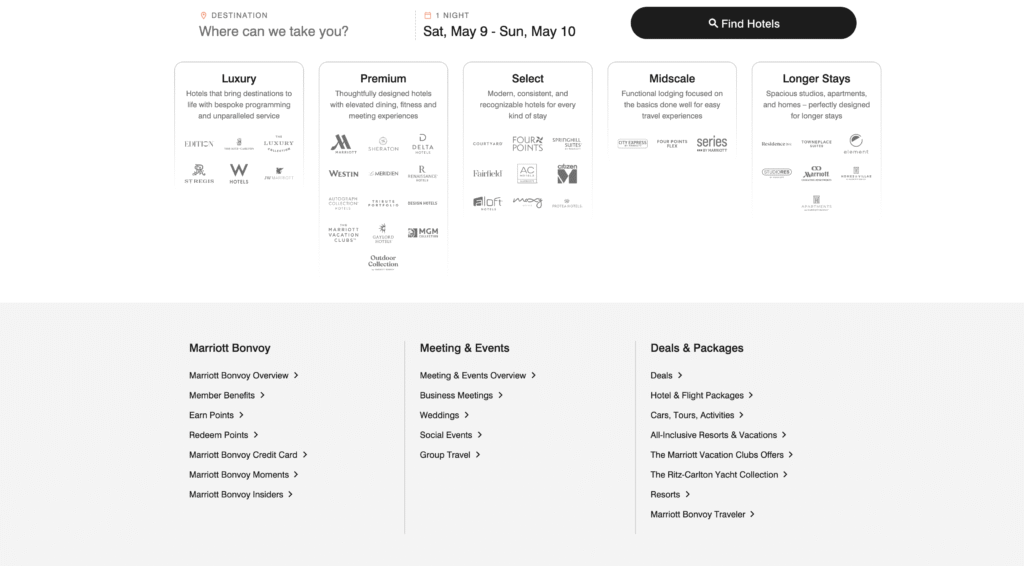
Throughout the decades, Marriott expanded aggressively. Its acquisitions played a pivotal role in this journey. The purchase of brands like Renaissance Hotels and Residence Inn broadened its portfolio significantly.
The introduction of franchises allowed Marriott to scale rapidly while maintaining brand standards. This model attracted investors eager to join an expanding network known for quality service.
International expansion began in earnest during the late 20th century. From Europe to Asia, Marriott established itself as a global player, adapting its offerings to cater to diverse cultures and preferences.
By embracing technology and customer-centric innovations, Marriott enhanced guest experiences across all locations. This commitment fostered loyalty among travelers worldwide, solidifying its status as an industry leader amid fierce competition.
Key Innovations and Changes in the Business Model
Marriott International has always been at the forefront of innovation in the hospitality sector. One notable change was its embrace of technology. By implementing mobile check-in and keyless entry, Marriott enhanced guest convenience significantly.
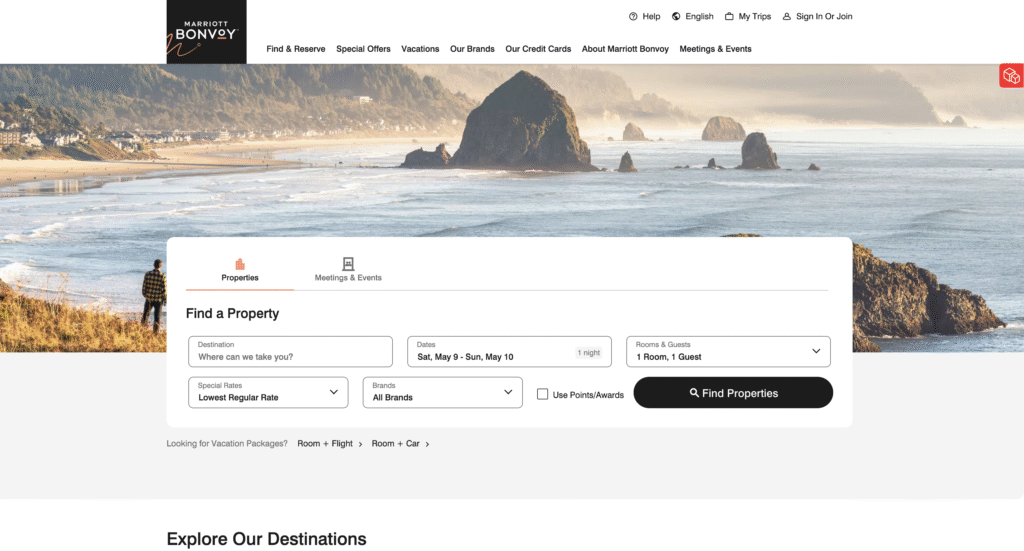
The company also pioneered loyalty programs that transformed customer engagement. The Marriott Bonvoy program offers rewards and personalized experiences, fostering brand loyalty among travelers.
Sustainability has become a core principle as well. Initiatives focused on reducing waste and energy consumption reflect a commitment to environmental stewardship.
Moreover, Marriott’s strategic acquisitions have diversified its portfolio. Buying brands like Starwood Hotels added unique offerings while expanding their global footprint.
With an eye on the future, Marriott is exploring artificial intelligence for personalized marketing strategies. These innovations ensure they remain competitive in an ever-evolving industry landscape.
Impact on the Hospitality Industry
Marriott International has significantly shaped the hospitality landscape. Its pioneering approach to service quality set new benchmarks for industry standards.
The company introduced a consistent brand experience, ensuring guests knew what to expect regardless of location. This reliability fostered customer loyalty and trust.
Marriott’s expansion strategies have also influenced how hotels operate globally. The focus on diverse brand portfolios allowed them to cater to different market segments effectively.
Moreover, their commitment to sustainability initiatives is pushing competitors toward greener practices. Marriott’s efforts in reducing waste and energy consumption are now seen as essential elements in modern hotel management.
Through innovative technology integration, such as mobile check-ins and personalized guest experiences, Marriott has transformed how people engage with accommodations. This forward-thinking mindset continues challenging others in the sector to adapt swiftly or risk falling behind.
Challenges and Controversies Faced by Marriott
Marriott International has encountered its share of hurdles over the years. From labor disputes to data breaches, these challenges have tested the company’s resilience.
In 2018, Marriott experienced a significant security breach that compromised millions of guest records. This incident raised concerns about privacy and trust in an age where personal information is paramount.
Labor relations also pose ongoing issues. Employees across various locations have voiced their demands for better wages and working conditions. Strikes and protests occasionally disrupt operations, highlighting tensions between management and staff.
Additionally, environmental sustainability remains a critical topic. Critics argue that large hotel chains like Marriott contribute significantly to ecological degradation. Despite efforts toward greener practices, scrutiny continues regarding their impact on local environments.
Navigating these controversies requires careful strategy as they seek to maintain brand integrity while addressing public concerns head-on.
Future Plans and Outlook for the Company
As Marriott International looks to the future, it is positioned to embrace new opportunities and challenges. The company has been actively investing in technology that enhances guest experiences. From mobile check-ins to personalized services powered by AI, these innovations are set to redefine hospitality.
Sustainability is another focal point for Marriott. The brand aims to reduce its carbon footprint and implement eco-friendly practices across its properties. This commitment not only appeals to environmentally conscious travelers but also sets a standard within the industry.
Expansion remains on the agenda as well. With plans for more hotels globally, Marriott seeks to tap into emerging markets while strengthening its presence in established ones. Each new property adds diversity, catering to different traveler needs—from luxury seekers to budget-conscious guests.
Marriott’s adaptability will play a crucial role moving forward. As consumer preferences shift post-pandemic, being flexible and responsive will help the company maintain relevance in a competitive landscape.
The outlook for Marriott International appears promising with ambitious strategies that align with changing market dynamics and customer expectations. Their journey from humble beginnings showcases resilience—one that continues as they chart their course ahead.